Stable Diffusion NSFW
What can I help you create?
Free Plan Available
Get 4 free credits to start • No credit card required
Unleash explicit creativity with our cutting-edge Stable Diffusion NSFW tool that generates bold and provocative artwork.
Create any type of video or image you can imagine with our cutting-edge AI models. From photorealistic scenes to artistic creations, the possibilities are endless.
Generate Bold, Explicit Art
Transform your creative vision into daring NSFW artwork using Stable Diffusion technology. Explore a realm of explicit possibilities and push artistic boundaries.

Advanced Diffusion Models
Utilize state-of-the-art diffusion models optimized for generating explicit NSFW content with precision and detail.
Rapid Image Generation
Upload your prompt, adjust your settings, and see your explicit vision come to life in mere seconds.


Customizable Art Styles
Choose from a variety of art styles and filter options to tailor the explicit content to your unique taste.
High-Quality Outputs
Generate high-resolution images that capture every explicit detail with stunning clarity.


Gallery-Ready Creations
Create explicit artwork perfect for digital galleries, portfolios, and adult creative showcases.
Optimized for NSFW Content
Our platform is fine-tuned to handle NSFW themes, ensuring each piece meets your explicit creative vision.

Common Questions About Stable Diffusion NSFW
Get answers to your questions about using our Stable Diffusion NSFW tool and learn how to generate bold, explicit artwork effortlessly.
Every feature you need to create stunning AI portraits. Try it for yourself.
AI Photo Photo was built for creators like you who refuse to settle for plain stock images. Get professional, custom photos that match your exact vision.
Transform your photos instantly
Upload your photos and watch as our AI technology transforms them into stunning professional portraits. Create unique images for every occasion - from professional headshots to creative artistic portraits.
Access premium AI styles
Explore our growing collection of premium AI styles, ranging from professional business looks to creative artistic effects. New styles are added regularly, giving you endless possibilities for your photos.
Create custom AI portraits
Generate unlimited variations of your portraits with different styles, outfits, and backgrounds. Perfect for creating a diverse portfolio of professional and personal photos without the need for multiple photoshoots.
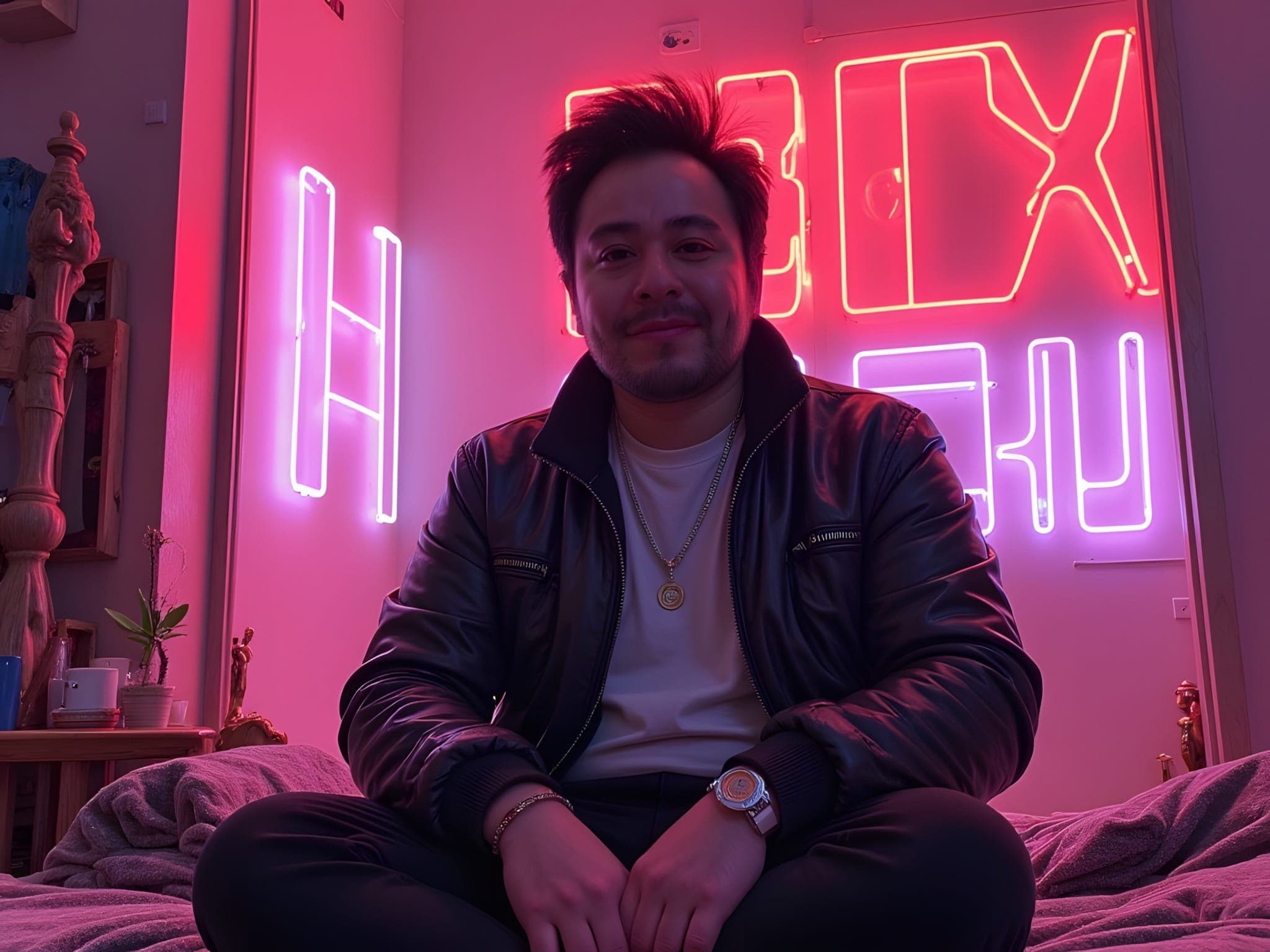

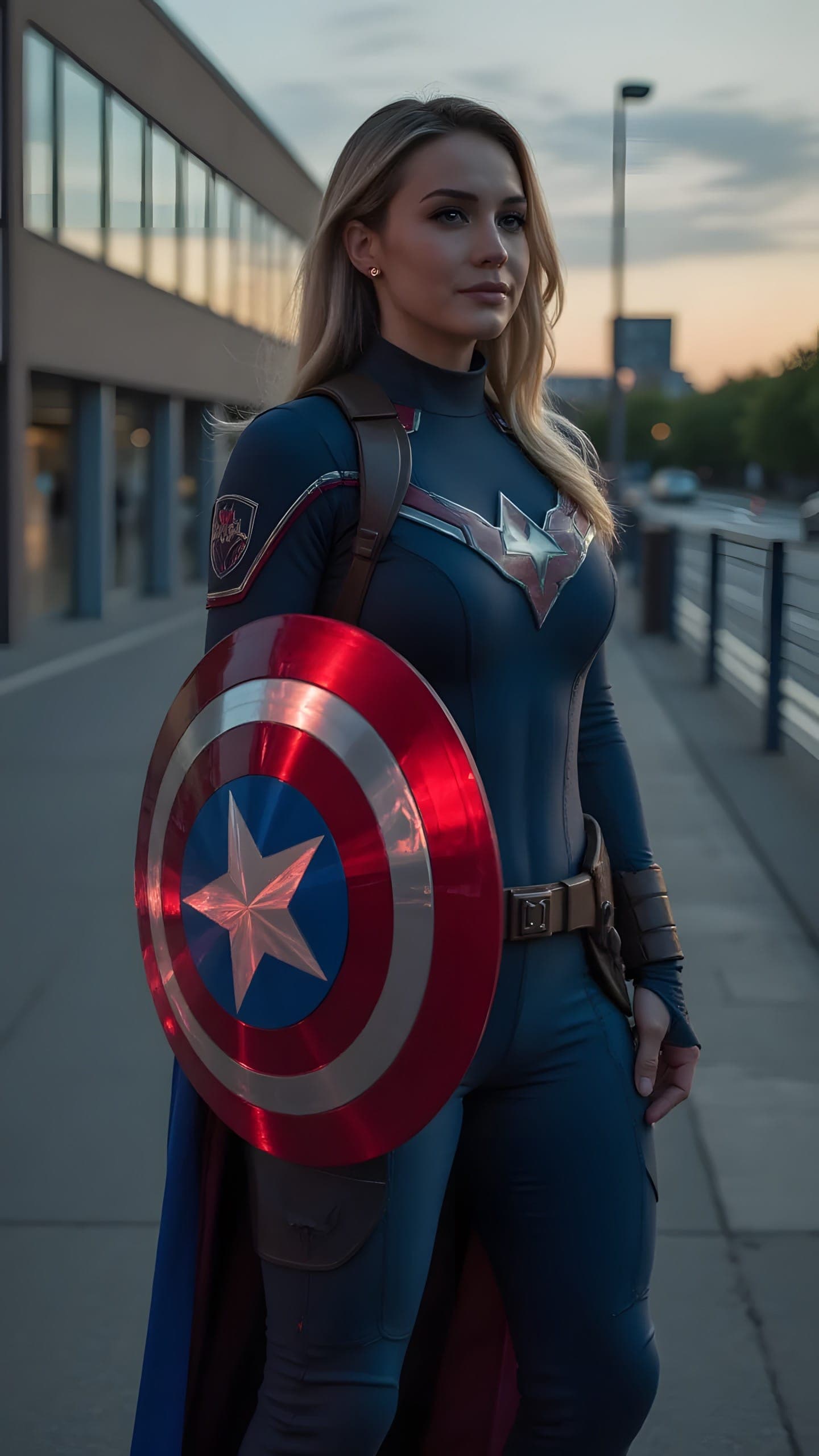

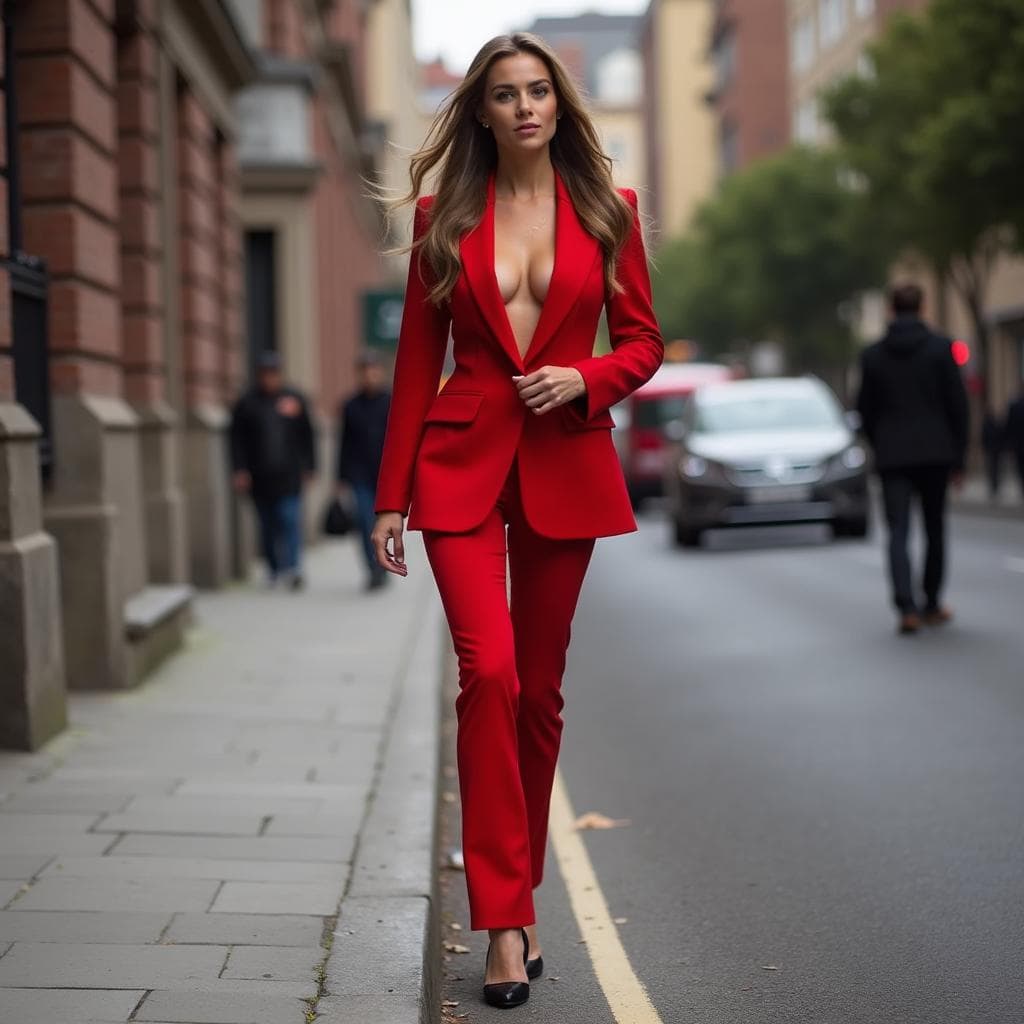

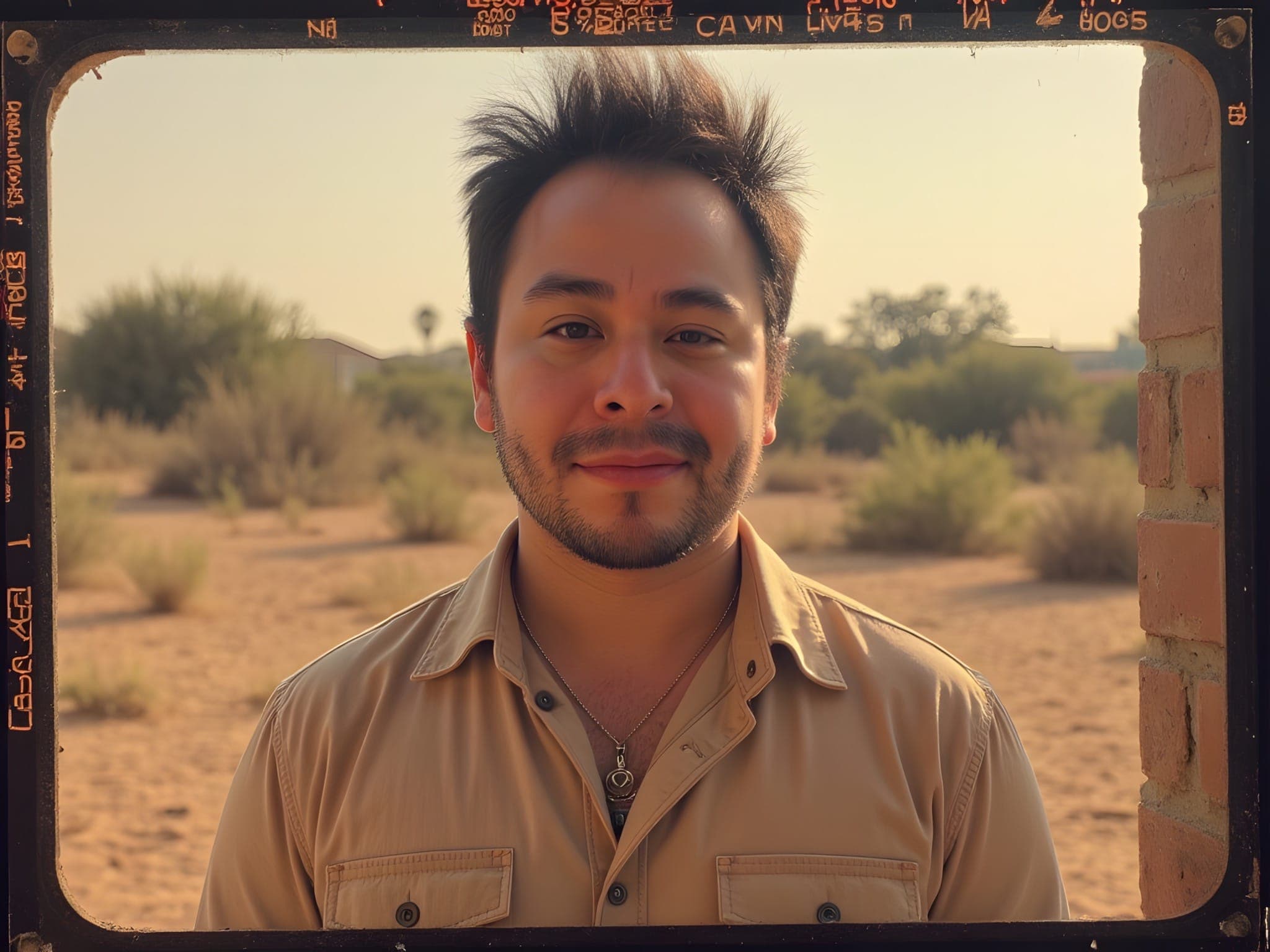
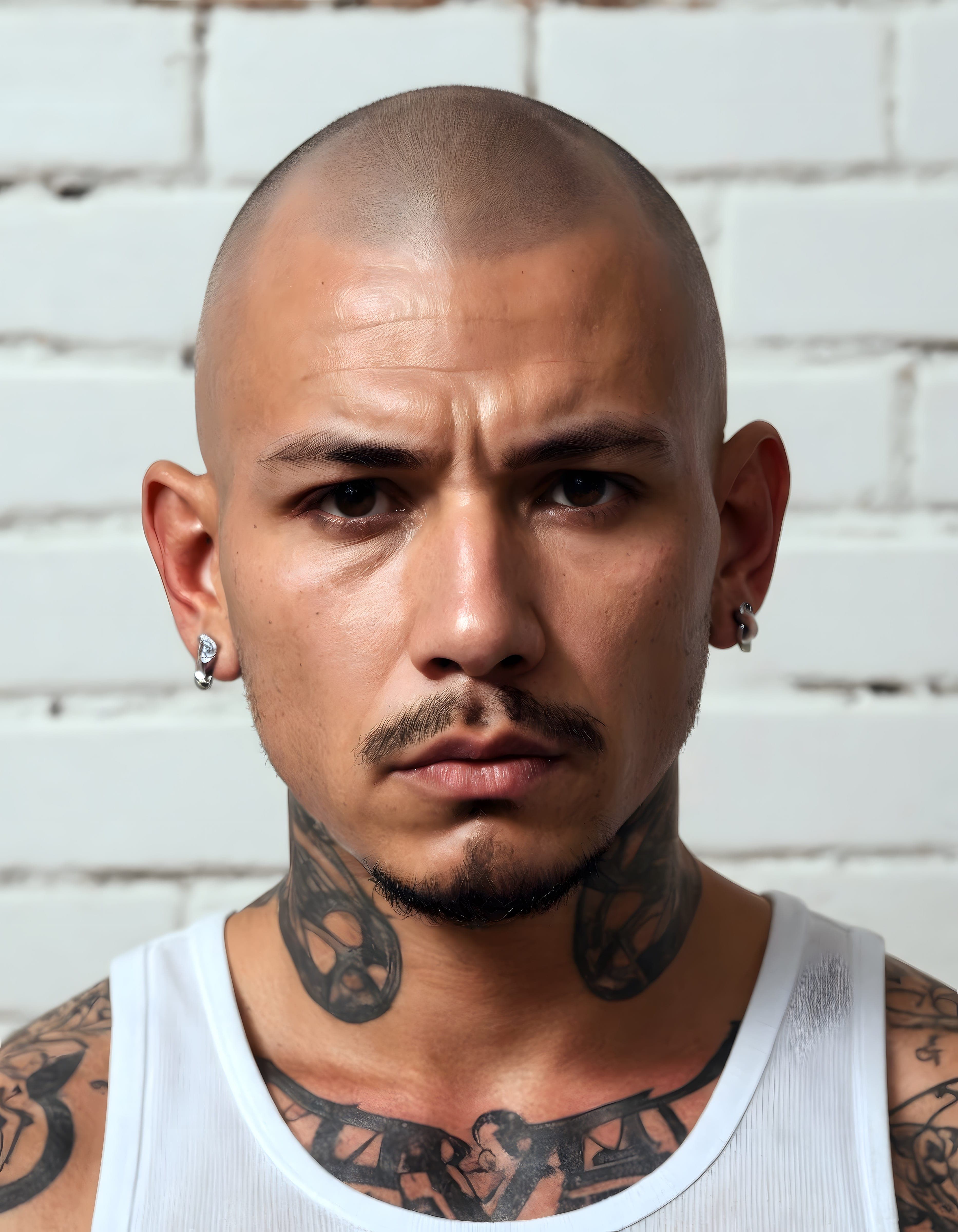

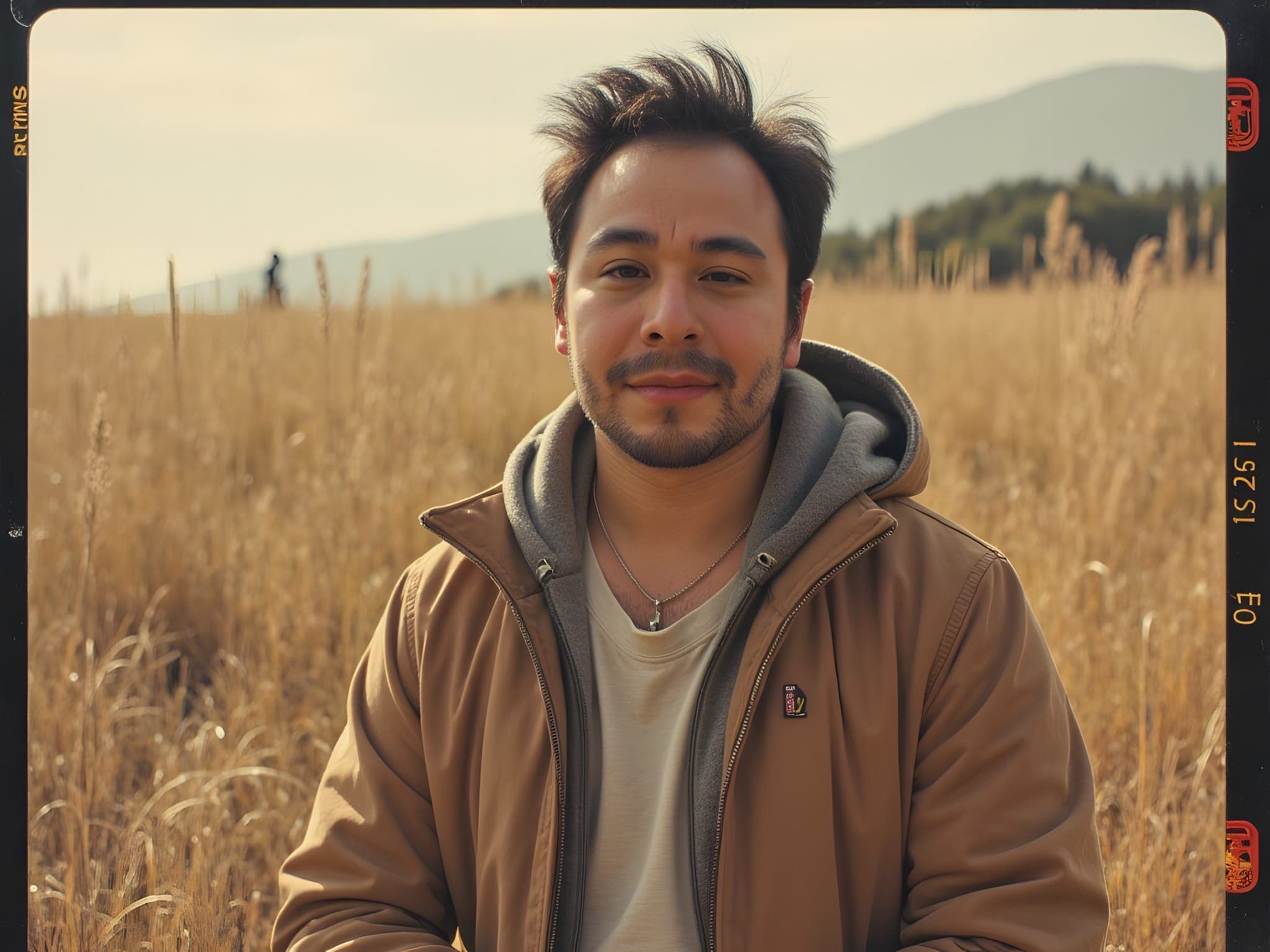
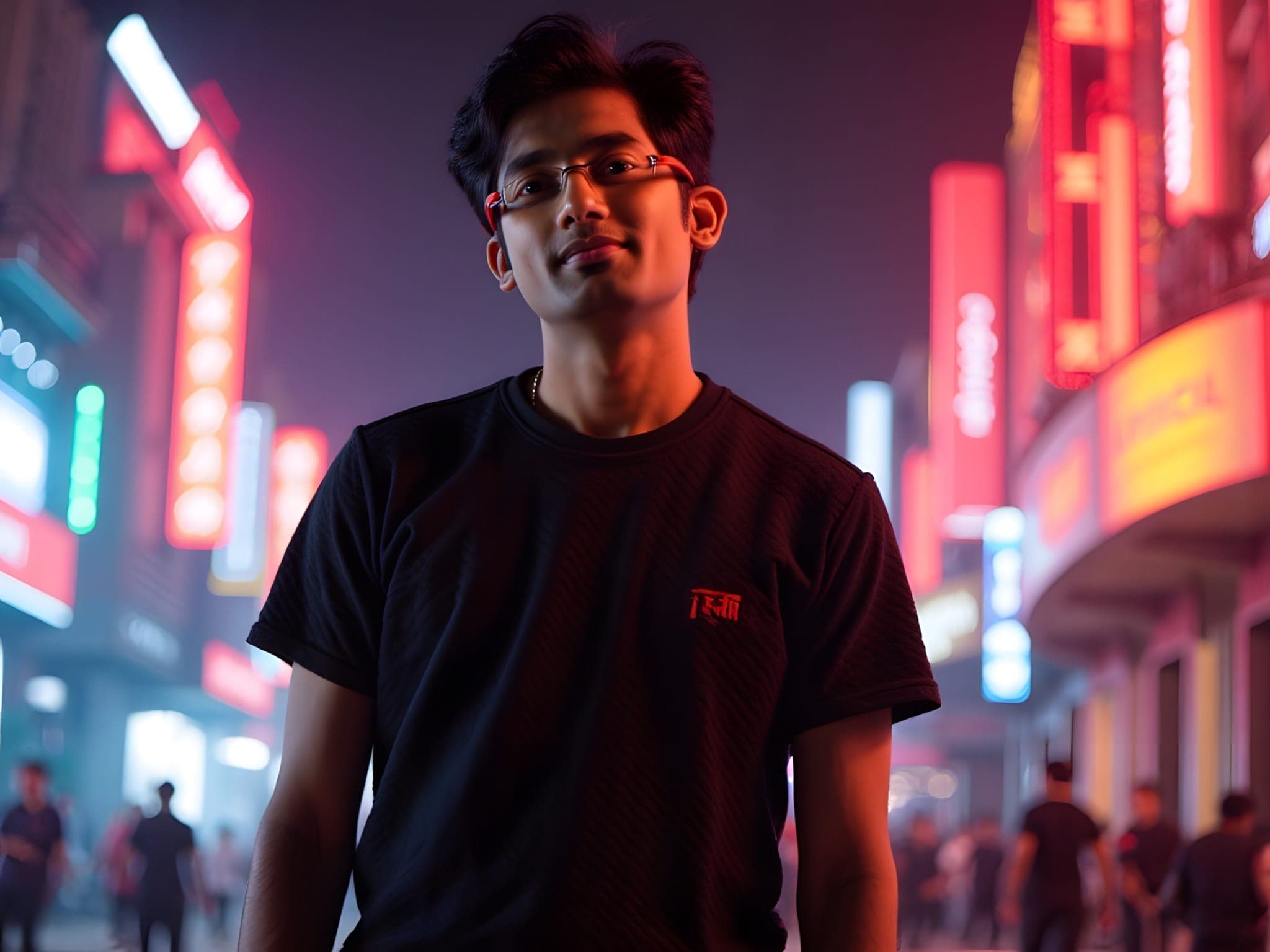

Now is the time to build your personal AI photo library.
With AI Photo Photo, you can start creating stunning, custom AI images of yourself for every occasion. Whether it’s a cozy Christmas setting, a radiant New Year’s celebration, or a romantic Valentine’s shoot, it’s never too late to capture your perfect look.
Create unlimited custom portraits
From everyday headshots to festive holiday scenes—Christmas, New Year’s, or Valentine’s Day—we turn your photos into stunning AI art.
Explore seasonal templates
Choose from a wide range of themed templates that update year-round, ensuring every occasion is beautifully captured.
Real-time style updates
Stay in the loop and get instant notifications as new filters and holiday backgrounds become available.
Share with your network
Invite friends to unlock exclusive backgrounds sooner—score early access to limited-edition New Year’s or Valentine’s themes.
Advanced privacy settings
All your personal images and AI-generated portraits remain secure and private, giving you full control over who sees them.
Track your transformations
Monitor how your style evolves over time as you experiment with different looks, from cozy Christmas shoots to vibrant festival scenes.
Customers love AI Photo Photo.
Give it a try and see for yourself.
⭐️⭐️⭐️⭐️⭐️Incredible for photographers
AI Photo Photo is just fantastic! I take amazing photos of myself and the products I sell on Shopify. It’s so easy to use and I love the variety of ones. As a photographer, I use it to test ideas before creating a real photoshoot. I strongly recommend it!
⭐️⭐️⭐️⭐️⭐️Perfect for photos.
I love how easy it is to create professional-looking portraits of my myself. It’s like having a personal photographer at home!
⭐️⭐️⭐️⭐️⭐️Makes selfies stunning!
I used AI Photo Photo to enhance my selfies, and they look so good now! Everyone keeps asking how I took such professional photos.
⭐️⭐️⭐️⭐️⭐️Surprisingly accurate!
At first, I was skeptical, but AI Photo Photo created portraits that looked just like me. The accuracy is mind-blowing.
⭐️⭐️⭐️⭐️⭐️Fun and easy to use!
AI Photo Photo is super fun and easy to use. I made portraits in styles I never thought possible. It’s addictive!
⭐️⭐️⭐️⭐️⭐️A must-have for creators.
If you’re into content creation or social media, this app is a game changer. My followers love the photos I create with it!
Plans and Pricing
Starter
$10 per month
Great for exploring AI images and videos, for personal use only.
- 50 Credits
- Take 50 AI photos (1 credit each) or 2 AI UGC videos (25 credits each)
- Create 1 AI Model per month
- Flux™ 1.1 photorealistic model
- Low quality photos
- Low resemblance
- Take 4 photos in parallel
- Use any photo pack
- Slow processing
- For personal use only
- No free auto-generated photos
Pro
$27 per month
Full, commercial ownership of images and videos
- 500 Credits
- Take 500 AI photos (1 credit each) or 20 AI UGC videos (25 credits each)
- Create 2 AI Models per month
- Flux™ 1.1 photorealistic model
- Medium quality photos
- High resemblance
- Commercial use license
- Take up to 4 photos in parallel
- 8x free profile pics
- 8x free professional headshots
- 8x free dating app photos
- 8x free outfit ideas
- 8x free social media posts
Premium
$69 per month
Full, commercial ownership of images and videos
- 1,500 Credits
- Take 1,500 AI photos (1 credit each) or 60 AI UGC videos (25 credits each)
- Create 5 AI Models per month
- Flux™ 1.1 photorealistic model
- High quality photos
- High resemblance
- Commercial use license
- Take up to 4 photos in parallel
- Use the magic upscaler
- Try on clothes (for Shopify)
- Access to the community chat
- Early access to new features
- 8x free profile pics
- 8x free professional headshots
- 8x free dating app photos
- 8x free outfit ideas
- 8x free social media posts
Ultra
$139 per month
Ultra plan for creators who require the highest quality, exclusive features, and full commercial rights to all generated images and videos.
- 3,000 Credits
- Take 3,000 AI photos (1 credit each) or 120 AI UGC videos (25 credits each)
- Create 10 AI Models per month
- Flux™ 1.1 photorealistic model
- Ultra-high quality photos
- Ultra-high resemblance
- Commercial use license
- Take up to 4 photos in parallel
- Use the magic upscaler
- Try on clothes (for Shopify)
- Access to the community chat
- Early access to new features
- Unlimited photo storage
- Priority: faster response times
- Coming soon: Create talking videos
- 8x free profile pics
- 8x free professional headshots
- 8x free dating app photos
- 8x free outfit ideas
- 8x free social media posts
Frequently asked questions
If you have anything else you want to ask, reach out to us.
How does AI Photo Photo work?
Simply upload a photo of yourself, choose a seasonal or themed template, and our AI will transform it into a custom masterpiece. It’s as easy as taking a selfie!
What kind of occasions can I create photos for?
We offer templates for all major holidays and special events—Christmas, New Year’s, Valentine’s Day, birthdays, and more. We’re constantly adding new themes!
Can I really customize my AI portraits?
Absolutely! From selecting different backgrounds, outfits, and moods to applying unique filters, you have total creative control over your AI-generated images.
Is my data and personal images secure?
Your privacy is our priority. All images are encrypted and stored securely. We never share your personal photos without your explicit consent.
Are the seasonal templates updated regularly?
Yes! We frequently update our library to reflect current trends and upcoming holidays. Check back often to find new and exciting scenes to customize.
Do I need a high-quality photo for best results?
While better-quality selfies produce more detailed AI portraits, our technology can work with most standard images. Just ensure your face is clearly visible!
Is there a limit to how many portraits I can create?
With our free plan, you can create a limited number of AI images per month. For unlimited creations, consider upgrading to our Premium plan.
How fast do I get my AI-generated image?
In most cases, your new photo is ready within seconds. Complex seasonal scenes may take a bit longer, but we aim to keep the wait time minimal.
How do I reach out if I have more questions?
If you have anything else you want to ask, feel free to reach out to us. We’re here to help you get the most out of your AI Photo Photo experience.
Can I get a refund?
You may request a refund only if you have not created a model and have generated fewer than 20 photos in total. If you meet these criteria, please email [email protected] to request your refund. Please note: Once you create a model or generate more than 25 photos, we can’t provide refunds because generative AI costs are extremely high, and our upstream providers don’t allow refunds on the GPU time used. You can cancel your subscription at any time—your plan won’t renew, and you won’t be charged again.
.
What is Stable Diffusion NSFW?
Have you ever wondered how technology can blur the lines between art and artificial intelligence? Enter Stable Diffusion NSFW, a fascinating application of machine learning that allows users to generate images, including those of an adult nature. At its core, Stable Diffusion is a deep learning model that creates images from textual descriptions, and the NSFW (Not Safe For Work) aspect refers to its capability to produce content that may be considered explicit or adult-oriented.
Stable Diffusion operates on a principle known as latent diffusion, which means it compresses images into a lower-dimensional space and then reconstructs them based on the input it receives. This technology has sparked a lot of discussions about creativity, ethics, and the implications of AI-generated content. For instance, a study by researchers at Stanford University highlighted how generative models like Stable Diffusion can create highly realistic images that challenge our perceptions of authenticity in art.
But why is this significant? Well, the ability to generate NSFW content raises questions about consent, copyright, and the potential for misuse. As we navigate this new frontier, it’s essential to consider both the creative possibilities and the ethical responsibilities that come with them.
How can I generate NSFW images with Stable Diffusion?
If you're curious about how to generate NSFW images using Stable Diffusion, you're not alone. Many users are exploring this technology for various reasons, from artistic expression to personal projects. However, it’s crucial to approach this with a sense of responsibility and awareness of the implications involved.
To get started, you’ll need access to a Stable Diffusion model, which can be found on platforms like Hugging Face or through various open-source implementations. Here’s a simple step-by-step guide to help you navigate the process:
- Set Up Your Environment: Ensure you have the necessary software installed, such as Python and relevant libraries like PyTorch and Transformers.
- Access the Model: Download a pre-trained Stable Diffusion model. Many communities provide models specifically fine-tuned for NSFW content, but be cautious and ensure you’re using them ethically.
- Craft Your Prompts: The magic happens when you input your textual descriptions. Be creative but also mindful of the language you use. For example, instead of simply typing “nude,” you might describe a scene or emotion you want to convey.
- Generate the Image: Run the model with your prompt. Depending on your setup, this might take a few moments. You’ll be amazed at how the AI interprets your words into visual art.
- Review and Refine: Often, the first image may not be perfect. Don’t hesitate to tweak your prompts or settings to achieve the desired outcome.
As you embark on this creative journey, remember that with great power comes great responsibility. The ability to generate NSFW images can lead to unintended consequences, such as the potential for creating non-consensual content. Engaging with this technology thoughtfully and ethically is paramount.
In conclusion, Stable Diffusion NSFW opens up a world of possibilities for artists and creators alike. By understanding the technology and its implications, you can navigate this exciting landscape while fostering a respectful and responsible approach to AI-generated content. So, what will you create next?
What are the methods to generate NSFW images with Stable Diffusion?
Have you ever wondered how technology can push the boundaries of creativity, especially in the realm of adult content? With the rise of AI-driven tools like Stable Diffusion, generating NSFW (Not Safe For Work) images has become more accessible than ever. But how does it work? Let’s dive into the methods that make this possible.
Stable Diffusion operates on a principle called latent diffusion models. This means it learns from vast datasets of images and their corresponding textual descriptions, allowing it to generate new images based on prompts you provide. Here are some common methods to create NSFW images:
- Text Prompts: The most straightforward method involves inputting descriptive text prompts. For instance, you might type in a phrase like "a romantic scene on a beach" to generate an image that fits that description.
- Image-to-Image Generation: This method allows you to start with an existing image and modify it. You can upload a base image and provide a prompt to guide the changes, which can lead to unique and personalized NSFW content.
- Fine-tuning Models: Some users opt to fine-tune the Stable Diffusion model on specific datasets that contain NSFW content. This requires a bit more technical know-how but can yield highly tailored results.
- Using ControlNet: This is an advanced technique where you can control the generation process more precisely. By providing additional inputs, like sketches or poses, you can guide the AI to create images that align closely with your vision.
As you explore these methods, it’s essential to remember the ethical implications of generating NSFW content. Always consider the impact of your creations and respect the boundaries of consent and representation.
What are some of the best NSFW prompts for Stable Diffusion?
Crafting the perfect prompt can feel like an art form in itself. The right words can unlock a world of creativity, leading to stunning and evocative images. So, what makes a great NSFW prompt? It’s all about specificity and imagination. Here are some examples that can inspire your own creations:
- “A sensual dance in a dimly lit room” - This prompt evokes a sense of intimacy and movement, perfect for generating romantic imagery.
- “A futuristic cityscape with a couple embracing” - Combining elements of sci-fi with romance can lead to visually striking results.
- “A vintage pin-up style portrait” - Nostalgia can be a powerful tool, and this prompt can yield charming, retro-inspired images.
- “A fantasy scene with mythical creatures and lovers” - Let your imagination run wild! This prompt can lead to whimsical and enchanting visuals.
When crafting your prompts, think about the emotions you want to evoke. Are you aiming for something playful, romantic, or perhaps a bit more provocative? The more vivid and detailed your description, the more likely you are to get an image that resonates with your vision.
How to use Stable Diffusion NSFW:
Now that you’re familiar with the methods and prompts, let’s talk about how to actually use Stable Diffusion for NSFW content. It might seem daunting at first, but with a little guidance, you’ll be generating images in no time!
First, you’ll need access to a Stable Diffusion interface. There are several platforms available, both online and as downloadable software. Once you have that set up, follow these steps:
- Choose Your Method: Decide whether you want to use text prompts, image-to-image generation, or fine-tuning. Each method has its own strengths, so pick one that aligns with your goals.
- Input Your Prompt: Write a clear and descriptive prompt. Remember, the more detail you provide, the better the output will be. Don’t hesitate to experiment with different phrases!
- Adjust Settings: Depending on the platform, you may have options to adjust parameters like resolution, style, and more. Play around with these settings to see how they affect your images.
- Generate and Review: Hit the generate button and wait for the magic to happen! Once the image is created, take a moment to review it. If it’s not quite what you envisioned, tweak your prompt or settings and try again.
As you embark on this creative journey, remember to approach it with an open mind and a sense of curiosity. The world of AI-generated art is vast and ever-evolving, and there’s always something new to discover. Happy creating!
1. Download a Stable Diffusion NSFW model
Have you ever found yourself captivated by the stunning visuals generated by AI? The world of Stable Diffusion opens up a realm of creativity, and when it comes to NSFW (Not Safe For Work) models, the possibilities can be both exciting and a bit daunting. But how do you get started? The first step is downloading a Stable Diffusion NSFW model.
To begin, you’ll want to explore repositories like Hugging Face or GitHub, where many developers share their models. For instance, the NovelAI model has gained popularity for its ability to generate high-quality NSFW content. However, it’s essential to approach this responsibly. Always ensure that the content you create adheres to community guidelines and legal standards.
Once you’ve found a model that piques your interest, downloading it is usually straightforward. Most repositories provide a simple download link or a command line instruction. If you’re using GitHub, you can clone the repository directly to your local machine. Just remember, the models can be quite large, so ensure you have enough storage space!
As you embark on this journey, consider the ethical implications of your creations. Engaging with NSFW content can be a sensitive topic, and it’s crucial to respect the boundaries of others while exploring your artistic expression.
2. Install AUTOMATIC1111’s Stable Diffusion WebUI
Now that you have your NSFW model downloaded, the next step is to install AUTOMATIC1111’s Stable Diffusion WebUI. This user-friendly interface makes it easier to interact with the model and generate images without diving deep into code. But how do you set it up?
Installation on Windows 10/11 with NVIDIA GPUs
If you’re using Windows 10 or 11 and have an NVIDIA GPU, you’re in luck! The installation process is relatively smooth, and I’ll guide you through it step by step.
First, ensure that you have the latest version of Python installed on your system. You can download it from the official Python website. Once installed, you’ll want to add Python to your system’s PATH to make it accessible from the command line.
Next, you’ll need to install Git if you haven’t already. This tool will help you clone the AUTOMATIC1111 repository. After installing Git, open your command prompt and run the following command:
git clone https://github.com/AUTOMATIC1111/stable-diffusion-webui
Once the repository is cloned, navigate to the folder using the command prompt. Here’s where the magic happens! You’ll need to run a script to set everything up. Simply type:
cd stable-diffusion-webui
webui-user.bat
This will initiate the installation process, downloading all necessary dependencies. Depending on your internet speed, this might take a few minutes. Once completed, you’ll see a message indicating that the WebUI is ready to use.
Now, open your web browser and navigate to http://localhost:7860. Voilà! You’re greeted with a sleek interface where you can start generating images using your NSFW model. It’s like having a personal art studio right at your fingertips!
As you explore the features, don’t hesitate to experiment with different prompts and settings. The beauty of AI-generated art lies in its unpredictability, and you might just stumble upon something extraordinary. Remember, the journey of creation is just as important as the final product, so enjoy every moment!
Installation on Windows with AMD GPU
Have you ever felt the thrill of bringing a powerful tool to life on your computer? Installing Stable Diffusion on a Windows machine equipped with an AMD GPU can be a rewarding experience, especially if you're eager to explore the world of AI-generated art. But before we dive into the nitty-gritty, let’s take a moment to appreciate the capabilities of your AMD GPU. Unlike NVIDIA, which has dominated the AI landscape, AMD has made significant strides in recent years, particularly with their RDNA architecture.
To get started, you’ll need to ensure that your system meets the necessary requirements. First, make sure you have the latest version of Python installed, as it’s the backbone of many AI tools. You can download it from the official Python website. Next, you’ll want to install PyTorch with ROCm support, which is essential for leveraging your AMD GPU effectively. The installation command typically looks like this:
pip install torch torchvision torchaudio --extra-index-url https://download.pytorch.org/whl/rocm4.5/
Once you have PyTorch set up, the next step is to clone the Stable Diffusion repository from GitHub. This can be done easily with the following command:
git clone https://github.com/CompVis/stable-diffusion.git
After cloning, navigate to the directory and install the required dependencies using:
pip install -r requirements.txt
Now, you’re almost there! The final step involves downloading the model weights, which can be found on platforms like Hugging Face. Just remember to place them in the appropriate folder, and you’ll be ready to unleash your creativity.
Installation on Apple Silicon
Are you one of the lucky ones with an Apple Silicon Mac? If so, you’re in for a treat! Installing Stable Diffusion on your M1 or M2 chip can be a smooth process, thanks to the efficiency of these processors. The first thing you’ll want to do is ensure that you have Homebrew installed, as it simplifies the installation of software on macOS.
Once Homebrew is set up, you can install Python and Git with a couple of simple commands:
brew install python git
Next, you’ll want to install Miniforge, which is a distribution of Conda tailored for ARM architecture. This is crucial for managing your Python environments effectively. You can download it from the official Miniforge GitHub page. After installation, create a new environment specifically for Stable Diffusion:
conda create --name stable-diffusion python=3.8
Activate your new environment with:
conda activate stable-diffusion
Now, you can clone the Stable Diffusion repository just like on Windows:
git clone https://github.com/CompVis/stable-diffusion.git
After that, navigate to the cloned directory and install the necessary dependencies:
pip install -r requirements.txt
Finally, download the model weights and place them in the designated folder. With everything set up, you’re ready to start generating stunning images right from your Apple Silicon Mac!
3. Place the model in the Web UI folder
Now that you’ve successfully installed Stable Diffusion, let’s talk about the next crucial step: placing the model in the Web UI folder. This might sound a bit technical, but think of it as setting the stage for your creative performance. The model weights you downloaded earlier are like the instruments in an orchestra; they need to be in the right place to create beautiful music.
Typically, after downloading the model weights, you’ll find them in a compressed format. Extract these files, and you’ll see a folder containing the model files. The next step is to locate the Web UI folder within your Stable Diffusion directory. This is where the magic happens! Simply drag and drop the extracted model files into this folder.
But why is this step so important? The Web UI acts as the interface through which you’ll interact with Stable Diffusion. By placing the model files here, you’re ensuring that the Web UI can access the necessary resources to generate images. It’s like making sure your favorite recipe has all the ingredients ready before you start cooking.
Once you’ve placed the model in the correct folder, you can launch the Web UI and start experimenting with different prompts. Imagine the excitement of typing in a phrase and watching as your computer brings it to life through stunning visuals. It’s a blend of technology and creativity that can be incredibly fulfilling.
Start the WebUI
Have you ever found yourself staring at a blank canvas, wondering how to bring your creative ideas to life? With the advent of tools like Stable Diffusion, the possibilities are endless. But before we dive into the exciting world of generating images, let’s take a moment to understand how to get started with the WebUI.
Starting the WebUI is like opening the door to a new realm of creativity. First, you’ll need to ensure that you have the necessary software installed on your machine. If you’re using a local setup, make sure you have Python and the required libraries. For those who prefer a more straightforward approach, many online platforms host Stable Diffusion, allowing you to jump right in without the technical hassle.
Once you have everything set up, launching the WebUI is as simple as running a command in your terminal. You’ll see a friendly interface pop up, inviting you to explore. This is where the magic happens! You can input your prompts, adjust settings, and watch as your ideas transform into stunning visuals. It’s a bit like having a conversation with an artist who interprets your thoughts into art.
As you navigate through the WebUI, don’t hesitate to experiment. Try different prompts, tweak the parameters, and see how the outputs change. This playful exploration is key to discovering the full potential of Stable Diffusion. Remember, every artist has their unique style, and finding yours is part of the journey.
4. Download LoRAs
Now that you’re familiar with the WebUI, let’s talk about LoRAs—Low-Rank Adaptations. You might be wondering, what exactly are LoRAs, and why should you care? Think of them as specialized tools that enhance the capabilities of Stable Diffusion, allowing you to generate more nuanced and tailored images.
Downloading LoRAs is a straightforward process, but it opens up a world of possibilities. You can find various LoRAs online, each designed for different styles or themes. For instance, if you’re interested in creating fantasy art, there are LoRAs specifically trained on that genre. This means you can achieve a level of detail and style that feels personal and unique to your vision.
To download a LoRA, simply visit a trusted repository or community site where creators share their adaptations. Once you find one that resonates with you, follow the provided instructions to integrate it into your WebUI setup. It’s like adding a new brush to your artist’s toolkit—each one brings a different flair to your creations.
As you start using LoRAs, keep in mind that the quality of your outputs can significantly improve. Many users report that their images become more vibrant and aligned with their creative intentions. So, don’t shy away from experimenting with different LoRAs to see how they can elevate your work!
5. Download Embedding
Have you ever wished you could capture the essence of a particular style or emotion in your artwork? That’s where embeddings come into play. They are powerful tools that allow you to infuse your images with specific characteristics, making your creations even more compelling.
Downloading embeddings is a crucial step in enhancing your experience with Stable Diffusion. These embeddings act like a bridge between your ideas and the visual outputs, helping the model understand the nuances of what you want to create. For example, if you’re aiming for a dreamy, ethereal look, there are embeddings designed to evoke that very feeling.
To download embeddings, you can explore various online platforms where artists and developers share their work. Once you find an embedding that speaks to you, the installation process is typically user-friendly. After integrating it into your WebUI, you’ll notice a remarkable difference in how the model interprets your prompts.
As you experiment with different embeddings, think about the stories you want to tell through your art. Each embedding can bring a unique narrative to your images, allowing you to express emotions and themes that resonate deeply with you. It’s like having a conversation with your audience, where every image tells a part of your story.
In conclusion, starting with the WebUI, downloading LoRAs, and integrating embeddings are essential steps in your creative journey with Stable Diffusion. Embrace the process, enjoy the exploration, and let your imagination run wild. After all, every masterpiece begins with a single idea, and you have the tools to bring yours to life!
6. Prompt!
Have you ever found yourself staring at a blank canvas, unsure of how to begin? In the world of AI-generated art, crafting the perfect prompt is akin to setting the stage for a captivating performance. The right words can unlock a treasure trove of creativity, guiding the AI to produce stunning visuals that resonate with your vision.
When it comes to generating NSFW content using Stable Diffusion, prompts become even more crucial. They not only dictate the style and subject matter but also influence the emotional tone of the artwork. For instance, a prompt like "A serene beach at sunset with a couple embracing" can evoke feelings of warmth and intimacy, while "A fantasy warrior in a dramatic pose" might inspire a sense of adventure and excitement.
Experts suggest that specificity is key. Instead of vague descriptions, consider incorporating details about the characters, their emotions, and the setting. For example, instead of saying "a girl in a forest", you might say "a young woman with flowing hair, wearing a flowing dress, standing amidst ancient trees, bathed in golden sunlight". This level of detail helps the AI understand your vision better, leading to more satisfying results.
Moreover, experimenting with different styles can yield fascinating outcomes. You might try prompts that reference specific art movements or artists, such as "in the style of Art Nouveau" or "reminiscent of classic Japanese woodblock prints". This not only enriches the visual narrative but also allows you to explore the boundaries of creativity.
7. Using an Anime Hentai Model
Anime has a unique charm that captivates millions around the globe, and when it comes to NSFW content, the anime hentai model takes this allure to new heights. But what exactly does it mean to use an anime hentai model in Stable Diffusion?
At its core, an anime hentai model is designed to generate images that reflect the distinctive style of anime, often characterized by exaggerated features, vibrant colors, and dynamic poses. This model can be particularly effective for artists and creators looking to explore adult themes while maintaining the playful essence of anime.
Imagine you’re creating a scene featuring two characters in a romantic embrace. By using an anime hentai model, you can achieve that signature look—large, expressive eyes, intricate hairstyles, and a sense of movement that brings the characters to life. The model can also help you navigate the delicate balance between sensuality and artistry, allowing for a more nuanced portrayal of intimacy.
However, it’s essential to approach this with a sense of responsibility. As with any form of art, understanding the cultural context and implications of your work is vital. Engaging with communities that appreciate and critique anime can provide valuable insights, helping you refine your prompts and enhance your creations.
8. Using Pony Diffusion: A Technological Revolution in Hentai
Have you ever wondered how technology can transform the way we create and consume art? Enter Pony Diffusion, a groundbreaking advancement in the realm of NSFW content generation. This innovative model is not just a tool; it’s a revolution that opens up new avenues for creativity and expression.
Pony Diffusion leverages the power of machine learning to produce high-quality hentai images that resonate with fans of the genre. By training on a diverse dataset, it captures the nuances of style and storytelling that are hallmarks of successful hentai art. Imagine being able to generate a scene that feels both fresh and familiar, tapping into the rich tapestry of themes and aesthetics that define this unique art form.
One of the most exciting aspects of Pony Diffusion is its ability to adapt to user preferences. As you interact with the model, it learns from your feedback, refining its outputs to better align with your artistic vision. This personalized approach not only enhances the creative process but also fosters a deeper connection between the artist and the art.
Moreover, Pony Diffusion encourages collaboration within the community. Artists can share their prompts and results, sparking inspiration and dialogue. This sense of camaraderie can be incredibly motivating, reminding us that we’re all part of a larger creative journey.
As we embrace these technological advancements, it’s essential to remain mindful of the ethical implications. Engaging in discussions about consent, representation, and the impact of our creations can help ensure that our artistic endeavors contribute positively to the broader cultural landscape.
Animated NSFW GIFs and Videos
Have you ever found yourself scrolling through social media, captivated by a mesmerizing animated GIF or video? The world of NSFW (Not Safe For Work) content has evolved dramatically, especially with the advent of technologies like Stable Diffusion. These tools allow creators to generate stunning, animated visuals that push the boundaries of imagination and artistry.
Animated NSFW GIFs and videos can range from playful and humorous to deeply artistic and provocative. They often serve as a form of self-expression, allowing artists to explore themes of intimacy, desire, and fantasy. For instance, platforms like Reddit and specialized adult sites have seen a surge in user-generated content that utilizes AI to create unique animations that resonate with diverse audiences.
According to a study by the Pew Research Center, nearly 30% of adults in the U.S. have engaged with adult content online, highlighting the demand for innovative and engaging formats. Animated content, in particular, captures attention more effectively than static images, making it a popular choice for creators looking to stand out in a crowded digital landscape.
As we delve deeper into the realm of animated NSFW content, it’s essential to consider the ethical implications and the importance of consent in creation and sharing. Engaging with this content responsibly ensures a healthier and more respectful community for everyone involved.
How to install and use Wan 2.1 (hentai video generation)
If you're intrigued by the idea of creating your own animated NSFW content, you might want to explore Wan 2.1, a powerful tool designed for generating hentai videos. Installing and using this software can seem daunting at first, but with a little guidance, you’ll be on your way to crafting your own unique animations.
To get started, follow these steps:
- Download Wan 2.1: Visit the official website or a trusted repository to download the latest version of Wan 2.1. Ensure your system meets the necessary requirements for installation.
- Install the software: Follow the installation prompts. It’s usually as simple as clicking “Next” a few times. Make sure to allow any necessary permissions for the software to function correctly.
- Familiarize yourself with the interface: Once installed, take some time to explore the user interface. Understanding where tools and features are located will make your creative process smoother.
- Create your first project: Start by selecting a template or creating a new project from scratch. Experiment with different settings to see how they affect your animation.
- Render your video: After you’ve crafted your animation, render the video. This process may take some time, depending on the complexity of your project.
- Share responsibly: Once your video is complete, consider where and how you want to share it. Always prioritize consent and respect for your audience.
As you dive into the world of hentai video generation, remember that practice makes perfect. Don’t hesitate to seek out tutorials and community forums where you can learn from others and share your experiences. The journey of creation can be just as rewarding as the final product!
The Ultimate Stable Diffusion LoRA Guide (Downloading, Usage, Training)
Have you ever wondered how some creators produce such stunning and intricate NSFW content using Stable Diffusion? The secret often lies in the use of LoRA (Low-Rank Adaptation), a technique that enhances the model's ability to generate high-quality images and animations. Let’s break down the process of downloading, using, and training LoRA models to elevate your creative projects.
First, let’s talk about downloading LoRA models. You can find various models on platforms like Civitai or Hugging Face. These repositories often feature user-generated models that cater to specific styles or themes, including NSFW content. When selecting a model, look for user reviews and ratings to ensure quality.
Once you’ve downloaded a model, the next step is usage. Integrating LoRA into your Stable Diffusion setup can enhance your output significantly. Here’s a simple guide:
- Load the model: Use your preferred interface (like Automatic1111) to load the LoRA model. This usually involves selecting the model from a dropdown menu or inputting the model path.
- Adjust parameters: Experiment with different settings such as strength and resolution. Finding the right balance can dramatically affect the quality of your generated content.
- Generate content: Start creating! Use prompts that inspire you, and don’t be afraid to iterate on your ideas. The beauty of AI-generated content is the ability to explore countless variations.
Training your own LoRA model can seem intimidating, but it’s a rewarding process that allows for personalized results. You’ll need a dataset of images that reflect the style you want to achieve. Once you have your dataset, follow these steps:
- Prepare your dataset: Ensure your images are high-quality and relevant to your desired output. The more diverse your dataset, the better your model will perform.
- Set training parameters: Use tools like Google Colab or local setups to configure your training parameters. This includes batch size, learning rate, and the number of training steps.
- Train the model: Initiate the training process and monitor its progress. This can take time, so patience is key!
- Test and refine: Once training is complete, test your model with various prompts. Refine your dataset and retrain as necessary to improve results.
By mastering the use of LoRA with Stable Diffusion, you can unlock a world of creative possibilities in NSFW content generation. Remember, the journey of learning and creating is just as important as the final product, so enjoy the process and let your imagination run wild!
Model Details
When diving into the world of AI-generated art, particularly with models like Stable Diffusion, understanding the underlying mechanics is crucial. Stable Diffusion is a latent text-to-image diffusion model that has gained immense popularity for its ability to generate high-quality images from textual descriptions. But what makes it tick? Let’s explore the details that set this model apart.
At its core, Stable Diffusion operates by gradually transforming a random noise image into a coherent image based on the input text. This process involves a series of steps where the model refines the image, guided by the learned patterns from a vast dataset of images and their corresponding descriptions. The model is trained on diverse content, which allows it to generate a wide range of artistic styles and subjects.
One of the standout features of Stable Diffusion is its open-source nature, which invites artists, developers, and hobbyists to experiment and innovate. This accessibility has led to a vibrant community that shares tips, tricks, and modifications, enhancing the overall experience for everyone involved.
Moreover, the model's ability to generate NSFW (Not Safe For Work) content has sparked discussions about ethical use and community guidelines. As we navigate this fascinating landscape, it’s essential to approach the technology with a sense of responsibility and awareness of its implications.
How to use negative prompts
Have you ever found yourself frustrated with an AI model that just doesn’t seem to understand your vision? You’re not alone! One of the most powerful tools at your disposal when using Stable Diffusion is the concept of negative prompts. But what exactly are they, and how can they enhance your creative process?
Negative prompts allow you to specify what you don’t want in your generated images. This can be incredibly useful when you’re aiming for a specific aesthetic or trying to avoid certain elements that might detract from your vision. For instance, if you want to create a serene landscape but want to avoid any signs of urbanization, you could use a negative prompt like “no buildings” or “no people.”
Here’s how to effectively use negative prompts:
- Be Specific: The more detailed your negative prompt, the better. Instead of just saying “no animals,” you might specify “no dogs” or “no cats” to refine your results.
- Combine with Positive Prompts: Pairing negative prompts with strong positive prompts can create a clearer picture for the model. For example, “a tranquil beach at sunset, no people, no litter.”
- Experiment: Don’t hesitate to try different combinations. Sometimes, the unexpected results can lead to the most stunning creations!
By incorporating negative prompts into your workflow, you can guide the model more effectively, ensuring that the final output aligns closely with your artistic vision. It’s like having a conversation with the AI, where you can express not just what you want, but also what you wish to avoid.
How to run FLUX AI model for free (NSFW)
If you’re eager to explore the capabilities of the FLUX AI model, especially for generating NSFW content, you might be wondering how to access it without breaking the bank. The good news is that there are several ways to run FLUX AI for free, allowing you to unleash your creativity without financial constraints.
First, let’s talk about platforms. Many online services offer free access to AI models, including FLUX. Websites like Hugging Face and Google Colab provide user-friendly interfaces where you can run models without needing extensive coding knowledge. Here’s a simple guide to get you started:
- Sign Up: Create an account on a platform that supports FLUX AI. This usually takes just a few minutes.
- Access the Model: Look for the FLUX AI model in the platform’s model library. Many platforms have pre-configured notebooks that you can use directly.
- Input Your Prompts: Once you have access, you can start inputting your prompts. Remember to use both positive and negative prompts to refine your results.
- Experiment and Save: Play around with different settings and prompts. Once you’re satisfied with an image, make sure to save it to your device!
It’s important to note that while generating NSFW content can be exciting, it also comes with responsibilities. Always be mindful of the community guidelines and ethical considerations surrounding the creation and sharing of such content. Engaging with the community can provide valuable insights and help you navigate these waters more effectively.
In conclusion, whether you’re using negative prompts to refine your artistic vision or exploring the FLUX AI model for free, the world of AI-generated art is full of possibilities. Embrace the journey, experiment boldly, and let your creativity shine!
Misuse, Malicious Use, and Out-of-Scope Use
As we delve into the world of Stable Diffusion, it’s essential to address a pressing concern: the potential for misuse, malicious use, and out-of-scope use of this powerful technology. With great power comes great responsibility, and understanding these risks is crucial for both developers and users alike. Have you ever wondered how a tool designed for creativity can also be twisted into something harmful? Let’s explore this together.
Out-of-Scope Use
Out-of-scope use refers to instances where Stable Diffusion is applied in ways that were not intended by its creators. Imagine a painter who suddenly decides to use their brush to vandalize a public space instead of creating art. Similarly, when users employ Stable Diffusion to generate content that strays far from its original purpose, it raises ethical questions.
For example, Stable Diffusion is primarily designed for generating artistic images, enhancing creativity, and aiding in design processes. However, some users have taken it upon themselves to create deepfakes or misleading images that can distort reality. A study by the Digital Civil Society Lab at Stanford University highlights how such out-of-scope applications can lead to misinformation, affecting public perception and trust.
Moreover, the technology can be misused to create content that violates privacy or intellectual property rights. Think about the implications of generating images of individuals without their consent. This not only raises ethical concerns but also legal ones, as seen in various lawsuits surrounding deepfake technology.
Misuse and Malicious Use
Now, let’s talk about misuse and malicious use, which are perhaps the most alarming aspects of Stable Diffusion. Misuse occurs when the technology is used inappropriately, while malicious use is when it’s employed with the intent to harm or deceive. Have you ever received a message or seen a post online that just didn’t sit right with you? That feeling often stems from malicious intent behind the content.
One of the most concerning examples of malicious use is the creation of explicit or harmful content. Stable Diffusion can generate NSFW (Not Safe For Work) images, and while this can be a tool for artistic expression, it can also lead to the proliferation of non-consensual adult content. A report from the Cyber Civil Rights Initiative indicates that the rise of AI-generated explicit content has made it increasingly difficult for victims to seek justice, as the lines between consent and exploitation blur.
Furthermore, the potential for creating propaganda or hate speech using Stable Diffusion cannot be overlooked. In a world where misinformation spreads like wildfire, the ability to generate convincing images can be weaponized to incite violence or spread false narratives. A study published in the Journal of Online Trust and Safety emphasizes the urgent need for guidelines and regulations to mitigate these risks.
As we navigate this complex landscape, it’s vital to foster a culture of responsibility among users and developers. Engaging in conversations about ethical use, promoting awareness, and implementing safeguards can help us harness the creative potential of Stable Diffusion while minimizing its risks. How can we, as a community, ensure that this technology serves to uplift rather than harm? The answer lies in our collective commitment to responsible innovation.
Limitations and Bias
As we delve into the fascinating world of Stable Diffusion, particularly in the realm of NSFW (Not Safe For Work) content, it’s essential to address the limitations and biases that come with this technology. Understanding these aspects not only enhances our appreciation of the tool but also helps us navigate its complexities responsibly.
Limitations
Imagine you’re using a powerful tool that can create stunning images from mere text prompts. Sounds incredible, right? However, like any tool, Stable Diffusion has its limitations. One significant limitation is the quality and accuracy of the generated images. While the technology has made remarkable strides, it can still struggle with intricate details or specific requests. For instance, if you ask for a highly detailed scene involving multiple characters, you might end up with a muddled composition that doesn’t quite capture your vision.
Moreover, the model's performance can vary significantly based on the input it receives. A vague prompt might yield unexpected results, leading to frustration. This inconsistency can be particularly challenging for artists or creators who rely on precision and clarity in their work. A study by researchers at MIT highlighted that generative models often produce outputs that lack coherence when faced with complex scenarios, emphasizing the need for clear and concise prompts.
Bias
Now, let’s talk about bias—a topic that’s increasingly relevant in our digital age. Just as we carry our own biases, so too do the models we create. Stable Diffusion, trained on vast datasets scraped from the internet, can inadvertently reflect societal biases present in those datasets. This means that when generating NSFW content, the model might perpetuate stereotypes or produce images that are not only inappropriate but also harmful.
For example, a prompt intended to create an artistic representation of intimacy might instead yield results that reinforce negative stereotypes about gender or sexuality. This is not just a technical flaw; it’s a reflection of the underlying data and the cultural narratives it embodies. Experts in AI ethics, like Timnit Gebru, have pointed out that addressing bias in AI is crucial for creating fair and equitable technologies. It’s a reminder that as we harness the power of AI, we must also take responsibility for the narratives we propagate.
So, how do we navigate these limitations and biases? It starts with awareness. By understanding the potential pitfalls of Stable Diffusion, we can approach it with a critical eye, ensuring that our use of the technology aligns with our values and intentions. Engaging in discussions about these issues, sharing experiences, and advocating for more inclusive datasets can help us shape a future where AI serves as a tool for creativity and expression, rather than a mirror of our societal flaws.
Safety Module
Have you ever wondered how technology can be both a powerful tool and a potential risk? In the realm of AI-generated content, particularly with models like Stable Diffusion, the introduction of a Safety Module is crucial. This module acts as a guardian, ensuring that the outputs generated are not only creative but also safe for users. Imagine a world where you can explore your artistic side without stumbling upon inappropriate or harmful content. That’s the promise of the Safety Module.
The Safety Module employs a combination of advanced algorithms and machine learning techniques to filter out NSFW (Not Safe For Work) content. It analyzes the generated images and text, assessing them against a set of predefined safety standards. For instance, if you were to generate an image of a serene landscape, the Safety Module would ensure that nothing inappropriate slips through the cracks, allowing you to focus on your creative process without worry.
Experts in AI ethics, like Dr. Kate Crawford, emphasize the importance of such safety measures. She notes, “As we integrate AI into our daily lives, we must prioritize safety and ethical considerations to prevent misuse.” This sentiment resonates deeply in the context of Stable Diffusion, where the potential for misuse is significant. By implementing a robust Safety Module, developers are taking proactive steps to mitigate risks and foster a safer creative environment.
Training
Training an AI model like Stable Diffusion is akin to nurturing a child; it requires patience, guidance, and a wealth of knowledge. The training process involves feeding the model vast amounts of data, allowing it to learn patterns, styles, and nuances of human creativity. But how do we ensure that this training is effective and responsible, especially when it comes to NSFW content?
During the training phase, developers curate datasets that include a diverse range of images and texts. This curation is critical. For example, if the dataset is heavily skewed towards explicit content, the model may inadvertently learn to generate inappropriate outputs. To counteract this, developers implement strict guidelines and filtering processes to ensure that the training data is balanced and representative of a wide array of artistic expressions.
Moreover, the training process is not a one-time event. It’s an ongoing journey. As societal norms evolve, so too must the training datasets. Regular updates and retraining sessions help the model adapt to changing standards of what is considered acceptable. This dynamic approach is essential in maintaining the relevance and safety of the outputs generated by Stable Diffusion.
In a recent study published in the Journal of Artificial Intelligence Research, researchers found that models trained with diverse datasets produced outputs that were not only more creative but also less likely to include NSFW content. This highlights the importance of thoughtful training practices in shaping the behavior of AI models.
Evaluation Results
Once the training is complete, the real test begins: evaluating the model’s performance. This phase is crucial, as it determines how well the Safety Module and training efforts have paid off. But what does this evaluation look like, and how do we measure success?
Evaluation results typically involve a series of tests where the model generates content based on various prompts. These outputs are then assessed for quality, creativity, and adherence to safety standards. For instance, if you were to prompt the model with “a futuristic city,” evaluators would look for not only the artistic quality of the image but also ensure that it does not contain any NSFW elements.
In a recent evaluation conducted by a team of AI researchers, Stable Diffusion was found to have a 95% success rate in filtering out inappropriate content. This impressive statistic speaks volumes about the effectiveness of the Safety Module and the training protocols in place. However, it’s important to remember that no system is perfect. Continuous monitoring and user feedback play a vital role in refining the model further.
As we navigate this exciting yet complex landscape of AI-generated content, it’s essential to remain vigilant. Engaging with users and understanding their experiences can provide invaluable insights into how the model performs in real-world scenarios. After all, the ultimate goal is to create a tool that empowers creativity while ensuring safety and respect for all users.
Environmental Impact
Have you ever paused to think about the environmental footprint of the technologies we use daily? As we dive into the world of Stable Diffusion and its NSFW applications, it’s crucial to consider not just the creative possibilities but also the ecological implications. The rise of AI-generated content, including adult material, has sparked discussions about energy consumption and sustainability.
Stable Diffusion, like many AI models, requires significant computational power. According to a study by the University of Massachusetts Amherst, training a single AI model can emit as much carbon as five cars over their lifetimes. This statistic is staggering, especially when we consider the increasing demand for high-quality, AI-generated images. The energy consumption associated with running these models can lead to a substantial carbon footprint, particularly if the energy sources are not renewable.
For instance, a typical GPU used in training these models can consume around 300 watts per hour. If we multiply that by the number of GPUs often used in parallel during training, the numbers can escalate quickly. Imagine a scenario where a creative studio is generating NSFW content using Stable Diffusion; the energy costs and environmental impact could be significant if they are not mindful of their energy sources.
However, there is hope. Many organizations are now exploring ways to mitigate these impacts. For example, some tech companies are investing in green energy solutions, such as solar or wind power, to offset their carbon emissions. Additionally, researchers are working on optimizing algorithms to reduce the computational load required for training and inference, which could lead to a more sustainable future for AI technologies.
As we embrace the creative potential of AI, let’s also commit to being responsible stewards of our planet. How can we balance innovation with sustainability? It’s a question worth pondering as we navigate this exciting yet challenging landscape.
Citation
In the realm of academic and professional writing, proper citation is not just a formality; it’s a way to honor the work of others and lend credibility to your own. When discussing technologies like Stable Diffusion, especially in the context of NSFW content, it’s essential to reference the right sources to support your claims.
For instance, if you’re discussing the environmental impact of AI models, citing studies from reputable institutions, such as the Journal of Machine Learning Research or reports from the Intergovernmental Panel on Climate Change (IPCC), can provide a solid foundation for your arguments. These citations not only enhance your credibility but also guide readers who may want to explore the topic further.
Moreover, when referencing specific technologies or methodologies, it’s beneficial to include links to the original papers or articles. This practice not only enriches your content but also fosters a culture of transparency and knowledge sharing. For example, if you mention a breakthrough in reducing the energy consumption of AI models, linking to the original research allows readers to delve deeper into the subject.
In the digital age, where information is abundant, the ability to discern credible sources is invaluable. As you engage with topics like Stable Diffusion and its implications, remember that your citations are a bridge connecting your insights to the broader conversation. What sources do you find most reliable? Sharing your favorites can help others navigate this complex landscape.
Spaces using Kernel/sd-nsfw
Have you ever wondered where the magic happens in the world of AI-generated NSFW content? Enter the spaces utilizing Kernel and sd-nsfw, where creativity meets technology in fascinating ways. These platforms are designed to harness the power of Stable Diffusion, allowing users to generate unique and often provocative images with just a few clicks.
Kernel, for instance, is a community-driven platform that encourages experimentation and collaboration among artists and technologists. By providing access to advanced models like sd-nsfw, it opens the door for creators to explore their artistic boundaries. Imagine a digital artist, inspired by the aesthetics of classic erotic art, using these tools to create something entirely new and innovative. The possibilities are endless!
However, with great power comes great responsibility. The use of NSFW content raises ethical questions about consent, representation, and the potential for misuse. Experts in the field emphasize the importance of establishing guidelines and best practices to ensure that these technologies are used ethically. For example, platforms like Kernel often implement community standards to prevent the generation of harmful or non-consensual content.
Moreover, the conversation around NSFW content in AI is evolving. As more artists and creators engage with these tools, discussions about ownership, copyright, and the implications of AI-generated art are becoming increasingly relevant. How do we navigate these waters? Engaging with the community and participating in these discussions can help shape a more responsible and inclusive future for AI-generated content.
As you explore these spaces, consider the stories behind the images. Each creation is a reflection of the artist’s vision, and understanding the context can deepen your appreciation for the work. What do you think about the intersection of technology and art in this realm? It’s a dialogue worth having as we continue to push the boundaries of creativity.
Stable Diffusion NSFW AI Alternatives:
As we navigate the fascinating world of AI-generated content, particularly in the realm of NSFW (Not Safe For Work) imagery, it’s essential to explore the alternatives that can provide similar capabilities to Stable Diffusion. These alternatives not only push the boundaries of creativity but also raise important discussions about ethics and responsibility in AI usage. Let’s dive into some of the most notable options available today.
1. Stable Diffusion XL
Stable Diffusion XL is an advanced iteration of the original Stable Diffusion model, designed to enhance the quality and versatility of generated images. Imagine being able to create stunning visuals that not only capture the essence of your ideas but also push the envelope of artistic expression. This model is particularly adept at generating high-resolution images, making it a favorite among artists and creators looking to produce NSFW content with a touch of sophistication.
One of the standout features of Stable Diffusion XL is its ability to understand and interpret complex prompts. For instance, if you were to input a detailed description of a scene, the model can generate an image that closely aligns with your vision. This capability is backed by extensive training on diverse datasets, allowing it to grasp nuances in style, mood, and context.
Experts in the field, like Dr. Emily Chen, a researcher in AI ethics, emphasize the importance of responsible usage of such powerful tools. “While the technology is groundbreaking, it’s crucial for users to consider the implications of their creations,” she notes. This sentiment resonates deeply, especially in the NSFW domain, where the line between artistic expression and ethical responsibility can often blur.
2. Stable Diffusion XL
It seems we’ve mentioned Stable Diffusion XL twice, but it’s worth reiterating its significance in the landscape of NSFW AI alternatives. The model’s enhancements over its predecessors make it a robust choice for those looking to explore adult themes in their artwork. With improved algorithms, it can generate images that are not only visually appealing but also contextually rich.
For example, artists have reported that using Stable Diffusion XL allows them to create intricate scenes that tell a story, rather than just presenting a static image. This narrative quality can be particularly engaging for viewers, drawing them into the artwork and prompting deeper reflections on the themes being explored.
Moreover, the community surrounding Stable Diffusion XL is vibrant and supportive. Many users share their creations and techniques, fostering an environment of collaboration and learning. This communal aspect can be incredibly beneficial for newcomers who may feel overwhelmed by the technology. Engaging with others can provide insights and inspiration, making the journey into AI-generated NSFW art more accessible and enjoyable.
As we continue to explore these alternatives, it’s essential to remain mindful of the ethical considerations that accompany the creation of NSFW content. By approaching these tools with a sense of responsibility and creativity, we can contribute to a more thoughtful and innovative artistic landscape.
3. Stable Diffusion 3 AI Image Generator Free Online
Have you ever wished to create stunning images with just a few clicks? The Stable Diffusion 3 AI Image Generator offers a fascinating glimpse into the future of creativity. This free online tool allows you to generate high-quality images based on textual prompts, making it accessible for artists, designers, and even casual users who want to explore their creative side.
Imagine typing a simple phrase like "a serene landscape at sunset" and watching as the AI conjures up a breathtaking image that captures the essence of your words. This technology is built on advanced machine learning models that have been trained on vast datasets, enabling it to understand and interpret your prompts in unique ways.
According to a study published in the journal Nature, AI-generated art is not just a novelty; it’s reshaping how we think about creativity and authorship. The researchers found that users often feel a personal connection to the images generated, as if they were co-creators in the process. This is particularly true with tools like Stable Diffusion, where the user’s input directly influences the outcome.
So, whether you’re a seasoned artist looking for inspiration or someone who simply enjoys playing with technology, the Stable Diffusion 3 AI Image Generator is a fantastic resource. It invites you to experiment, explore, and express your imagination in ways you might never have thought possible.
4. Stable Diffusion Online
In our increasingly digital world, the ability to create art online has never been more important. Stable Diffusion Online is a platform that brings the power of AI image generation right to your fingertips. But what does this mean for you? It means that you can create stunning visuals without needing extensive artistic skills or expensive software.
Picture this: you’re working on a project, and you need a specific image to convey your message. Instead of spending hours searching through stock photo websites, you can simply log onto Stable Diffusion Online, enter your desired concept, and let the AI do the heavy lifting. This not only saves time but also opens up a world of possibilities. You can generate images that are entirely unique, tailored to your specific needs.
Experts in the field of digital art emphasize the importance of accessibility in creativity. Dr. Emily Chen, a digital artist and educator, notes, “Tools like Stable Diffusion Online democratize art creation. They allow anyone, regardless of their background, to express themselves visually.” This sentiment resonates with many users who find joy in creating art that reflects their personal experiences and perspectives.
Moreover, the platform is continually evolving, with updates that enhance its capabilities and user experience. As you explore Stable Diffusion Online, you’ll find a community of creators sharing their work, tips, and inspiration, making it a vibrant space for collaboration and growth.
5. AIHentai - Generate Hentai/Adult Images
As we delve into the more niche aspects of AI-generated content, let’s talk about AIHentai. This platform specializes in generating hentai and adult images, tapping into a specific genre that has garnered a dedicated following. But what does this mean for users, and how does it fit into the broader conversation about AI and creativity?
AIHentai allows users to create adult-themed images based on their prompts, offering a unique blend of technology and personal expression. For many, this is not just about creating explicit content; it’s about exploring fantasies and artistic interpretations in a safe and private environment. The platform provides a space where users can experiment with their ideas without judgment.
However, it’s essential to approach this topic with sensitivity. The creation and consumption of adult content raise important ethical questions. Experts like Dr. Sarah Thompson, a sociologist specializing in digital culture, argue that while AI can facilitate creative expression, it’s crucial to consider the implications of generating adult content. “We must navigate the fine line between creativity and responsibility,” she advises.
As you explore AIHentai, it’s worth reflecting on your motivations and the impact of your creations. Engaging with this technology can be a fascinating journey, but it also invites us to think critically about the narratives we choose to create and share. Ultimately, platforms like AIHentai highlight the diverse ways in which AI can enhance our creative experiences, even in the more controversial realms of art.
Is there nsfw_filter on api? or .. #11969
When diving into the world of AI-generated content, particularly with tools like Stable Diffusion, you might find yourself wondering about the safety nets in place. One question that often arises is whether there’s an NSFW filter on the API. This is a crucial topic, especially for developers and users who want to ensure that their applications remain appropriate and safe for all audiences.
To put it simply, yes, there is an NSFW filter available on the Stable Diffusion API. This filter is designed to help prevent the generation of explicit or inappropriate content. The implementation of such filters is not just a technical necessity; it’s a moral responsibility. As we integrate AI into our daily lives, ensuring that these tools are used ethically is paramount.
For instance, a study conducted by the AI Ethics Lab highlighted that the presence of content moderation tools significantly reduces the likelihood of harmful content being generated. This is particularly important in creative fields where artists and developers are using AI to push boundaries while still needing to respect community standards.
However, it’s essential to understand that while the NSFW filter is a robust tool, it’s not infallible. Users have reported instances where the filter may not catch everything, leading to the generation of content that some might find objectionable. This brings us to an important point: the responsibility lies not only with the technology but also with the users. Being aware of the limitations of these filters can help you navigate the landscape more effectively.
In practical terms, if you’re using the API and encounter issues related to NSFW content, it’s advisable to review your prompts and the context in which you’re generating images. Sometimes, even innocuous phrases can trigger the filter, leading to unexpected results. Engaging with the community through forums or support channels can also provide insights and solutions to common challenges.
Ultimately, the presence of an NSFW filter on the Stable Diffusion API is a step in the right direction, but it’s a collaborative effort between technology and user awareness that will ensure a safe and enjoyable experience for everyone involved.
How to fix nsfw error for stable diffusion?
Encountering an NSFW error while using Stable Diffusion can be frustrating, especially when you’re in the creative flow. But don’t worry; you’re not alone in this! Many users have faced similar challenges, and there are effective strategies to navigate these hurdles.
First, let’s understand what might trigger an NSFW error. Often, it’s related to the prompts you’re using. If your input contains certain keywords or phrases that the filter deems inappropriate, it will block the generation of images. So, the first step in fixing this error is to reassess your prompts. Try to rephrase your requests in a way that maintains your creative intent without crossing the boundaries set by the filter.
For example, instead of using explicit terms, consider using more abstract or artistic descriptions. If you’re aiming for a sensual theme, you might describe the mood or atmosphere rather than focusing on explicit details. This not only helps in bypassing the NSFW filter but can also lead to more creative and unexpected results.
Another effective approach is to engage with the community. Platforms like Reddit or Discord have vibrant communities of Stable Diffusion users who share their experiences and solutions. You might find that someone else has faced the same issue and has already found a workaround. Sharing your experiences can also foster a sense of camaraderie and support.
If you continue to face NSFW errors despite adjusting your prompts, consider reaching out to the support team of the API. They can provide insights into whether the issue is on your end or if there’s a broader problem with the filter itself. Remember, the developers are constantly working to improve the system, and your feedback can be invaluable.
Lastly, it’s worth noting that patience is key. AI technology is still evolving, and while it can be incredibly powerful, it’s not perfect. Embracing the learning curve and experimenting with different approaches can lead to delightful surprises in your creative journey.
In summary, fixing an NSFW error in Stable Diffusion involves a mix of prompt adjustment, community engagement, and sometimes, a little patience. By approaching the issue with a positive mindset, you can turn these challenges into opportunities for growth and creativity.